
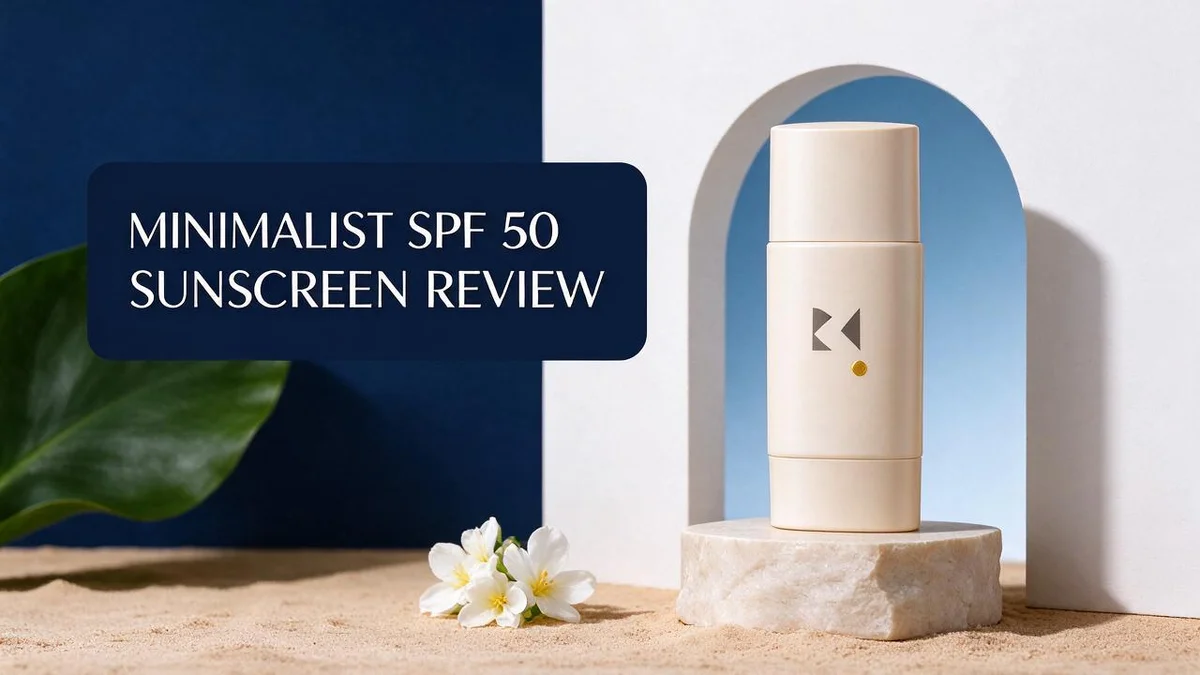
Minimalist SPF 50 Sunscreen Review: Ingredients, Texture, Water Resistance and Best Dupes
Finding a sunscreen that feels good on your skin can be tough. You want strong protection without a heavy feel. That is where a minimalist SPF 50 sunscreen catches attention.
This review takes a close look at a mineral formula built with zinc oxide and titanium dioxide. It also includes hyaluronic acid for extra moisture.
Users often describe this sunscreen as light. It absorbs fast and leaves a soft matte finish under makeup. Some people also say it leaves no white cast.
But not every reader will love it. Some users report a sticky or shiny feel. A few mention rolling or pilling, especially on the chin. Others say it has a clay like scent.
Keep reading to see how it performs. We cover the ingredients, real user feedback, and who this sunscreen suits best.
In a Nutshell
-
Strong daily protection: This sunscreen carries an SPF 50 rating, which suits long days outside. It also works well for people who burn easily in the sun.
-
Water resistance that lasts: The Light Fluid SPF 50 listing shows water resistance for up to 80 minutes. Still, reapply after swimming or heavy sweating to stay covered.
-
Possible pilling issues: Some users say the formula rolls into bits and pills, especially on the chin. Apply a thin layer and let it settle before adding makeup.
-
A clay scent: Several people notice a clay-like smell after applying it. If you dislike strong scents, test a small amount first on your jawline.
-
Dupe options to compare: Oathology Inzincable Mineral Tinted SPF 50+ has the closest ingredient match to Be Bodywise Lightest Mineral SPF 50+. Think Baby Clear Zinc Oxide SPF 50 is another strong match for the Think Sun Safe Sunscreen SPF 50+ dupe list.
-
Check the label carefully: One Reddit user claims this product contains retinol. The ingredient listings do not confirm that, so read the label yourself before you buy.
Key Ingredients

- This sunscreen is formulated with 4 very effective UV-filters, namely, Uvinul T 150, Avobenzone, Octocrylene and Titanium...
- Boosted with Vitamin A, B3, B5, E and F that not only repairs skin after sun exposure, but also soothes, nourishes and...
Last update on 2026-10-24 / Affiliate links / Images from Amazon Product Advertising API
Ingredients shape how a sunscreen feels on your face. Many shoppers skip the label, but it tells a useful story.
Mineral filters sit on top of the skin. They reflect and scatter UV light instead of soaking in. Chemical filters work differently. They absorb UV rays and release that energy as heat.
Some people find chemical filters irritating, so mineral options often suit sensitive skin better. Still, every skin type reacts in its own way. A small patch test on your jaw or inner arm can save you trouble.
Hyaluronic acid plays a supporting role here. It draws water into the outer layer of skin. Think of it as a drink for thirsty skin. Well-hydrated skin can also help makeup sit more smoothly.
The oil free label matters if your skin gets shiny by midday. Extra oil can mix with sweat and sunscreen, and that mix may lead to breakouts for some people.
The brand also lists a no white cast finish. That claim sounds promising. However, how a mineral sunscreen looks can depend on your skin tone, so test it in natural light.
Niacinamide is another ingredient to watch. The brand lists one of its other products with under 4 percent niacinamide. That detail shows how much the formulas can vary.
Always check what is in the bottle you hold. Read the full ingredient list on the back, not just the front label. This quick habit helps you avoid surprises and choose the right formula for your skin.
Texture and Application
Application makes a big difference with this formula. Many people use too little sunscreen. For the face, a small spoonful usually works best. Spread it evenly before you add other products.
Start with a clean, dry layer of moisturizer. Let it sink in for a minute or two. Then press the sunscreen onto your skin in small dots. This helps it blend in smoothly.
Patience pays off when you spread it. Rubbing hard can lift the product and leave it patchy. Instead, use gentle, upward strokes. Blend slowly along your jawline and cheeks.
Give it time to set. Wait at least five minutes before you put on makeup. Rushing this step often causes the product to roll up. Thin layers also settle better than one thick coat.
Your skin type shapes the result. Dry skin may enjoy the hydrating feel and need less moisturizer underneath. Oily skin may need a light dusting of powder later. Blotting paper can also soak up extra shine during the day.
Heat and sweat change the feel. One user felt oily and sweaty after wearing it on a hot day. Blot gently instead of wiping. Pat dry with a soft cloth to protect the layer.
Check how it sits under makeup. Some users say it gives a soft matte look under foundation. Pick a light primer if your makeup slides. Let the sunscreen dry fully first.
Reapply when you spend time outside. Sweat and water can wear down any sunscreen layer. Touch up every two hours if you stay in the sun. Keep a small tube in your bag for quick fixes.
Test a small patch first. Apply it along your jaw for a few days. Watch for shine, stinging, or pilling. This simple check shows whether the texture suits your daily routine.
Do not forget the rest of your body. Use the same method on your neck, ears, and hands. Those areas often get missed. A little extra care there keeps your whole look even.
Skin Types and Suitability
Choosing sunscreen starts with knowing your skin type. This formula suits many people, but each skin type reacts in its own way.
Deeper skin tones often struggle with white cast from mineral sunscreens. The brand lists a no white cast finish, so this option may blend more easily. Test a small patch along your jawline before you commit.
Combination skin can feel comfortable with this option. The light texture suits dry cheeks, and it can help keep the oily center of your face from feeling heavy.
Sensitive skin needs a little extra care. Zinc oxide and titanium dioxide are mineral filters that many people find gentle. Still, a patch test is wise if you have reactive skin or a history of rashes.
Acne prone skin needs a careful approach. Heavy layers can trap oil and irritate the surface. Use a thin coat, and watch how your skin looks over several days.
Mature skin often looks drier, so the hydrating feel may suit it well. A soft finish can also feel more comfortable than a greasy one. Many people with dry skin like this result on cold, windy days.
Some people want a richer cream. If your skin feels tight by afternoon, layer a nourishing moisturizer underneath or choose a thicker product for winter months.
Your skin changes with the seasons, pregnancy, medications, and age. Check how your face feels every few weeks. If the sunscreen starts to sting, itch, or break you out, stop using it and talk to a dermatologist.
Top 3 Alternatives
Here are three strong alternatives worth a look. Each one offers solid daily protection.
La Roche-Posay Anthelios

- Face sunscreen for oily skin with broad spectrum SPF 60 protection; Sunscreen absorbs pore clogging oil, even in heat and...
- This daily face sunscreen provides advanced protection while absorbing pore-clogging oil. Our best sunscreen for acne prone...
- Non-comedogenic sunscreen for sensitive skin provides broad spectrum protection. Oil-free sunscreen for acne prone skin helps...

Last update on 2026-08-29 / Affiliate links / Images from Amazon Product Advertising API
This sunscreen feels light on the skin. It offers broad spectrum protection against UVA and UVB rays.
The texture absorbs fast, so it works well under makeup. Many people with sensitive skin like its gentle formula. You can find versions for the face and the body, so one brand covers the whole family.
Blue Lizard Sensitive

- POWERFUL MINERAL SUN PROTECTION - Protect sensitive skin from the sun's harmful rays with Blue Lizard Sensitive Mineral SPF...
- SPF 50 BROAD SPECTRUM PROTECTION - The water-resistant sunscreen formula provides broad spectrum protection and helps protect...
- FORMULATED FOR SENSITIVE SKIN - Developed specifically for sensitive skin, this SPF 50 body sunscreen has a hypoallergenic...
Last update on 2026-10-23 / Affiliate links / Images from Amazon Product Advertising API
This mineral option suits sensitive skin. It uses zinc oxide to sit on top of the skin and block harmful rays.
The formula is fragrance free, so it fits reactive skin types. Mineral sunscreens can leave a light white tint, but many people find this one blends in well. Reapply every two hours and after swimming for the best results.
Banana Boat Sport

- SWEAT & WATER READY — Designed to stay on so you can play on, this quick-drying, effective sunscreen spray is water, sweat...
- CONTAINS ALOE & VITAMIN E — This gentle spray sunscreen cares for and protects your skin while containing no oxybenzone or...
- DERMATOLOGIST TESTED — Clinically tested to deliver reliable sun care protection you can trust
Last update on 2026-10-24 / Affiliate links / Images from Amazon Product Advertising API
This formula stays put during workouts. It is water resistant, so it holds up when you sweat or swim.
The sport version gives broad spectrum coverage for active days. Spray and lotion options make application quick. Always reapply as directed on the bottle, especially after long hikes or beach trips.
Water Resistance and Wear
Water resistance matters more than many people think. The brand lists water resistance for up to 80 minutes on its Light Fluid SPF 50 listing. Check the label on your exact bottle, since listings can differ.
Water resistance tests use set conditions. Real swimming, towel drying, and sweating can wear the layer down faster. Plan for less time in the water than the number suggests.
Wear over the day tells a mixed story. Some people say it stays put for hours. Others notice that it turns heavy and sticky, which makes them touch their face more.
Pills and rolls can ruin coverage. Users report that the product can roll into little bits on the chin. Those spots may need a fresh layer sooner than the rest of the face.
Blot instead of rubbing after a swim or workout. A dry towel lifts less product than a rough wipe. Then press a thin new layer over the top.
Reapply every two hours when you stay outside. Set a phone reminder if you forget easily. Use a little more on areas that sweat most, such as the forehead and nose.
The clay like scent can stick around after a long day. Some users find it lingers on pillowcases or hats. Keep that in mind if you dislike strong smells.
Cleanup matters too. Wash your face at night with a gentle cleanser to remove residue. An oil based cleanser can help loosen stubborn sunscreen before you rinse.
Think about your day before you apply. Office work with air conditioning feels different from a beach trip. Match your reapplication plan to your routine so you stay protected without guessing.
Cleanup and wear work together. A sunscreen that clings well may need a stronger cleanser at night. Pay attention to how your skin feels the next morning. That feeling tells you whether your routine fits.
Scent and Sensory Notes
Your nose often decides first. Many people open a sunscreen and judge it by smell before they touch it. This formula has a light scent that is easy to notice.
Smell can change how often you reapply. If a scent feels strong, you may skip the layer on busy mornings. Test a small dot on your wrist first.
Try the test on a calm day. Apply it in the morning and check again at noon. The scent often shifts once warmth reaches your skin.
Fragrance layering matters too. Perfume or scented lotion can clash with the sunscreen note. Many people apply sunscreen first, then wait before they spray perfume.
The scent also meets your daily routine. Morning products like coffee, hair spray, or body wash can mix with it. Keep the scents separate when you can. Give each step a few minutes to dry first.
Kids and sensitive noses may react differently. Strong fragrance can bother some people. This product suits those who prefer subtle scents. A patch test on the inner arm gives you a clear answer.
Taste is another sensory angle. Some people lick their lips or touch their face while outdoors. Some sunscreens leave a bitter note if they reach the mouth. Wash your hands after you apply it.
Your environment changes the experience. Hot rooms can make a scent bloom. Cool air keeps it quiet. Notice how it smells in the car, at the beach, or indoors. Pay attention to how it reacts to your body heat too.
Shared spaces make scent matter more. Offices, gyms, and crowded trains bring people close together. A mild smell feels polite. A strong one can draw attention you did not want.
Simple sensory tests help you decide. Smell it, dab it, and wait an hour. Then ask how it feels on your skin. Your nose and your skin both give useful clues.
Pros and Cons
Pros
- Users say it feels lightweight and absorbs fast.
- It leaves a soft matte finish that works well under makeup.
- The label says it is oil free, which may suit oily days.
- Many wearers find it hydrating for daily use.
Cons
- Some users find it sticky and heavy on the skin.
- A few people notice shine building up during the day.
- One user felt oily and sweaty while wearing it.
- Online retinol claims clash with the ingredient list, so check the label yourself.
Who Should Buy It
This sunscreen fits people who want strong daily protection. It offers SPF 50 with mineral filters, so it suits everyday errands and office days.
Mineral fans will likely feel at ease here. Zinc oxide and titanium dioxide sit on the skin’s surface, which many people prefer.
Reactive skin may still need caution. Patch test the product on the jawline for a few days before you use it everywhere.
Busy city walkers gain the most value from daily wear. They need steady coverage without adding a long routine.
Outdoor workers need protection from morning to late afternoon. This sunscreen can help, but shade and clothing still matter.
Tinted lovers may prefer a color option. A tinted formula blends with skin tone and can replace an extra step.
Shoppers who compare options may also look at Oathology Inzincable Mineral Tinted SPF 50+ or Think Baby Clear Zinc Oxide SPF 50. Both share mineral ingredients, so check each label before you choose.
Ingredient readers should review the full label first. Claims found online can differ from what the box lists, so trust the printed ingredients.
Parents shopping for the whole family should test a small area first. Each person reacts in a different way.
Frequent swimmers should plan extra protection like hats and shade. Sunscreen works best as one part of a full sun plan.
Beginners may find this simple choice easy to start with. Fewer steps can make a daily habit stick.
Overall, this product suits daily users who value mineral protection and a light feel. Test it on a calm day, then decide with confidence.
Final Verdict
Our final verdict is positive but measured. This sunscreen earns a place in many daily routines. However, it asks you to accept a few compromises.
The strongest point is its water resistance. The listing claims up to 80 minutes in water. That gives swimmers and sweaty hikers a useful window of protection.
Pilling is the concern that stands out most. Some users say it rolls into small bits, especially on the chin. Test that area first before you commit to regular use.
Dupe shoppers should match the filter type first. Brand names can mislead, so compare the mineral filters and the finish side by side. The ingredients tell the real story.
Anyone who dislikes layering products may find pilling frustrating. Others may want a different finish entirely.
A simple routine helps most. Apply a generous layer, wait a few minutes, then add makeup. Reapply every two hours outdoors, even on cloudy days.
Timing matters as well. Put it on before you leave home, not at the beach. Give it about fifteen minutes to set before sun exposure begins.
Final checks matter too. Look at the expiration date and storage details on the packaging. Heat can weaken sunscreen over time, so keep it out of hot cars.
Treat this product as one layer in your sun plan, not the whole plan. A good daily routine still needs shade, clothing, and smart timing.
Focus on how the product feels after a full day. A good sunscreen should feel comfortable from morning meetings to evening walks. If it stays comfortable, it earns its spot in your routine.
This sunscreen suits people who want mineral protection with a simple daily feel. It may not fit everyone, but it deserves a fair trial. Start with a small patch, watch how your skin reacts, and decide from there.
Frequently Asked Questions
Is this sunscreen safe for sensitive skin?
Mineral filters like zinc oxide and titanium dioxide sit on the surface of your skin. Many people with reactive skin tolerate them well. Still, do a patch test on your jaw for three days before you use it all over.
How much should I apply?
Most people need more than they expect. Use about two finger lengths for your face and neck. A thin layer gives less protection than a thick, even coat.
Do I still need sunscreen on cloudy days?
Yes, because clouds block less UV than many people think. UV rays pass through clouds, so daily use still matters. Make it a habit, even when the sky looks gray.
Do I need it when I sit near a window?
Window glass blocks most UVB rays, but it lets much of the UVA through. If you sit by a sunny window for hours, wear sunscreen. Your skin still takes in that exposure over time.
How often should I reapply?
Reapply about every two hours when you stay outside. Touch up with a fresh layer if you sweat or rub your face. Your skin needs steady coverage to stay protected.

I created Bloom Boost because I believe everyone deserves access to honest, comprehensive product information. Too often, we’re bombarded with marketing claims that don’t match reality. My goal is to cut through the noise and provide you with the real truth about products that promise to enhance your beauty and wellness journey.