
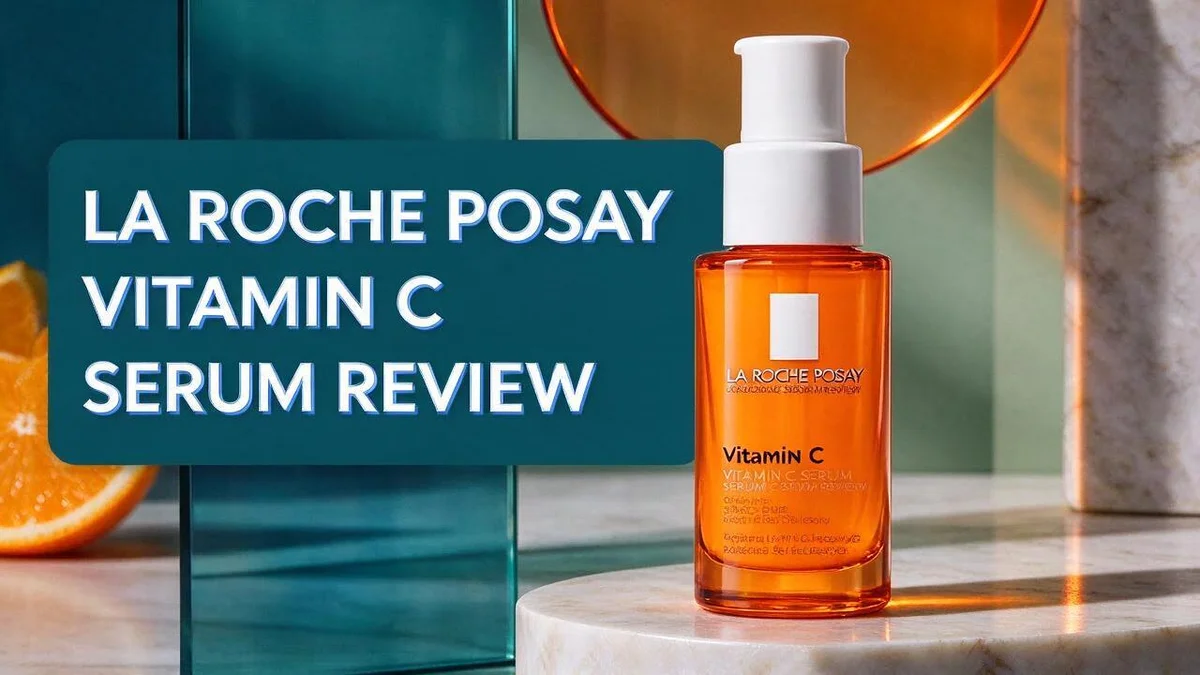
La Roche-Posay Vitamin C Serum Review: Ingredients, Texture, and Real Results
Looking for a vitamin C serum that fits easily into your daily routine? The La Roche Posay Vitamin C serum is a popular choice for dull, uneven skin.
It comes in two strengths, 10% and 12% ascorbic acid. The 12% version also adds salicylic acid and La Roche Posay Thermal Spring Water for extra support.
Many users say they notice dark spots fading faster over time. The brand also claims its C12 formula reduces wrinkles by 41% after eight weeks.
Texture matters too. The C10 version feels thick and gel like, so it may not suit everyone. In this review, we break down the pros, cons, and top alternatives so you can decide if it is right for you.
In a Nutshell
-
Hydrating base: The formula includes glycerin, sodium hyaluronate, and hydrolyzed hyaluronic acid. Tocopherol adds antioxidant support, so the serum keeps skin moisturized while you use vitamin C.
-
Extra ingredients in C12: The 12% version also contains salicylic acid and La Roche-Posay Thermal Spring Water. This gives it a slightly different feel from the 10% option.
-
Quick absorption: Many people like how the C12 sinks in fast. It leaves very little residue, so it works well under makeup or sunscreen.
-
Thick texture in C10: The 10% version feels gel-like rather than watery. One dermatologist review points this out, so it may suit people who like richer serums.
-
Mixed rankings: One Reddit user rated it below Timeless C E Ferulic and Geek & Gorgeous C-Glow. Shoppers who compare options will find strong alternatives.
-
Closest rival: L’Oréal Paris Revitalift Clinical is often called the closest dupe. It shares seven of the eight key ingredients, so it is worth a look if you want a similar formula.
Key Ingredients and Formulas

- This facial serum hydrates and enhances radiance, making it an ideal self care gift for women & men. It tackles wrinkles and...
- Anti Aging Serum: Concentrated with pure vitamin C and hyaluronic acid, this serum visibly reduces wrinkles and refines skin...
- Skin Brightening Serum: Enriched with vitamin C and salicylic acid, this serum boosts skin brightness and clarity, ideal for...

Last update on 2026-10-23 / Affiliate links / Images from Amazon Product Advertising API
Ingredients shape how a vitamin C serum performs on your skin. Ascorbic acid gets most of the attention, but the supporting ingredients play a big role too. Let’s look at what else sits in the bottle.
Tocopherol teams up with vitamin C. Tocopherol is a form of vitamin E. Many skincare experts pair these two antioxidants. Together, they may help protect the formula from breaking down too soon. This pairing shows up in many popular serums.
Light and air can weaken vitamin C. Ascorbic acid reacts with oxygen and light over time. Choose a bottle that blocks light and seals tightly. Close the cap after every use to keep the formula fresher for longer.
Ingredient order reveals the main players. Brands list ingredients from highest amount to lowest. Look for vitamin C near the top of the list. If it sits far down, the active dose may be small. Check the list again each time you repurchase, since formulas can change.
Simple formulas suit sensitive skin. Fragrance and essential oils can irritate reactive skin. Scan the label for added scents before you choose a product. A short ingredient list often means fewer surprises. Labels that mention sensitivity testing give extra reassurance.
Application order makes a difference. Apply vitamin C to clean, dry skin in the morning. Wait a minute before you add moisturizer. Finish with sunscreen, because sun exposure can cancel out the benefits.
Patch testing protects your skin. Try a small amount on your jawline or inner arm first. Wait a day or two before using it on your full face. If redness or stinging appears, stop using it right away.
Your routine should feel easy. Use the serum daily for consistent results. Pay attention to how your skin responds over several weeks. Small habits often bring the best outcome.
Texture and Application
Texture plays a big role in how this serum feels on your skin. Comfort matters, so pay attention to how each layer sits on your face.
The 10% formula feels thicker on your fingertips. Give it a few extra seconds to spread. Rub a small drop between your palms first to help it glide.
The 12% version feels lighter and more sheer. It suits anyone who dislikes a tacky feeling under moisturizer.
Start with a pea sized amount. Too much can leave your face feeling coated. Dispense it onto your fingertips so you control the portion.
Press the serum into your skin with your palms. Pat gently instead of rubbing hard. Rubbing can tug on delicate skin around your eyes and neck.
Wait about one minute before adding moisturizer. This gives the formula time to settle. Rushing this step can cause pilling, which looks patchy and uneven.
Keep the eye area light. Dab a tiny amount along the bone under your eye. Skip the eyelid completely.
In the morning, sunscreen comes last. Apply a generous layer so you get full coverage. Your sunscreen works best when it sits smoothly on top.
At night, many people use this serum after cleansing. Check with a dermatologist before pairing it with strong exfoliants or retinoids. Some skin types react to stacking actives.
Watch how your skin responds over the first week. If you notice tightness or stinging, pause use. Then try it every other day until your skin feels calm again.
Results and Effectiveness
Many shoppers want to know if this serum really delivers. The honest answer depends on your skin, your routine, and your patience. Vitamin C results take time. Most people need several weeks of steady use before they notice clear change.
Think of results in stages. In the first two weeks, skin may feel softer and look a little more even. Between weeks four and eight, marks on the skin often start to lighten more clearly. After about three months, you can judge whether the serum fits your goals.
The brand gives a specific timeline. La Roche-Posay says its C12 version may reduce the look of wrinkles by 41% after 8 weeks. Treat that number as a target, not a guarantee. Your own skin may respond faster or slower than the test group.
Real user feedback paints a mixed picture. Some people report brighter skin within a few weeks. Others say the difference feels subtle. Gentle, steady progress is common with vitamin C products, so small changes still count.
Daily habits shape your outcome. Skipping days slows progress. Sun exposure can also cancel out gains, so daily sunscreen matters. Without it, dark marks may stay longer than you hope.
Track your progress with photos. Take a picture in the same light each week. Small changes are hard to see in the mirror every morning. A photo log shows real improvement over time.
Set realistic goals. This serum may help with dullness and uneven tone over time. It will not erase deep lines overnight. Combine it with patience and a consistent routine for the best chance at visible results.
If your skin shows no change after three months, the serum may not suit your needs. Your skin type or concerns may need a different approach. A dermatologist can help you decide your next step.
Top 3 Alternatives
Want another vitamin C option for your skin? These three picks each bring something different to the table. Read on to find the one that fits your routine best.
SkinCeuticals C E Ferulic

- Enriched Serum for Brightening Skin: Our skin care serum is infused with a megadose of vitamin C to support bright skin and...
- Advanced Skin Serum Formula: This vitamin C serum contains a blend of 20% vitamin C and E alongside Ferulic Acid, formulated...
- Face Serum for Skin Barrier Support: Our vitamin C serum supports a healthy skin defense against environmental pollutants
Last update on 2026-08-23 / Affiliate links / Images from Amazon Product Advertising API
This serum is a favorite with skincare fans. It mixes vitamin C, vitamin E, and ferulic acid in one formula. Together, these ingredients help protect skin from daily stress. Many people love how smooth and light it feels. It suits anyone who wants brighter, more even looking skin over time. Apply a few drops each morning before sunscreen for the best results.
Timeless Vitamin C Serum
- Enriched Serum for Brightening Skin: Our skin care serum is infused with a megadose of vitamin C to support bright skin and...
- Advanced Skin Serum Formula: This vitamin C serum contains a blend of 20% vitamin C and E alongside Ferulic Acid, formulated...
- Face Serum for Skin Barrier Support: Our vitamin C serum supports a healthy skin defense against environmental pollutants
Last update on 2026-08-23 / Affiliate links / Images from Amazon Product Advertising API
This serum offers a simple way to add vitamin C to your morning routine. It contains stabilized vitamin C that helps fight dullness. Many users say their skin looks fresher after a few weeks. It also blends well under sunscreen and makeup. Beginners can start here with confidence. It makes a great first step for anyone new to vitamin C.
The Ordinary Vitamin C Suspension

- BRIGHTENS & BALANCES SKIN TONE: Vitamin C Suspension 23% + HA Spheres 2% helps visibly reduce signs of aging by brightening...
- PURE L-ASCORBIC ACID: This water-free formula contains 23% pure L-Ascorbic Acid, which remains stable and effective in...
- HYALURONIC ACID SPHERES: Infused with 2% hyaluronic acid spheres for added hydration, leaving skin feeling smooth and...
Last update on 2026-10-24 / Affiliate links / Images from Amazon Product Advertising API
This formula stands out for its clean and minimal ingredient list. It uses a vitamin C suspension that feels thicker than most serums. Many people who want a budget friendly routine choose this option. Your skin may need time to adjust, so start slowly. Patch testing on a small area first is always a smart move.
Skin Types and Suitability
Most skin types can try this serum with care. Your skin type still shapes how the serum feels and works.
Oily skin often responds well to the C12 version. It absorbs fast and leaves little residue, which suits skin that already looks shiny.
Dry skin may enjoy the extra hydration. Glycerin and sodium hyaluronate help draw moisture into the skin. Follow with a richer cream on cold or windy days.
Acne prone skin needs extra thought. The C12 version contains salicylic acid, which can help clear pores. Using other strong active ingredients at the same time may cause irritation.
Darker skin tones often care most about uneven color. Users report that dark spots fade over time. Consistent use matters more than fast results.
Mature skin is a common target for vitamin C. The brand says the C12 version reduces the look of wrinkles after eight weeks. Treat that as a claim, not a guarantee.
Combination skin usually does well with this serum. Use a thin layer across the face. Add extra moisture only to dry patches that feel tight.
Normal skin usually tolerates the serum well. Most people can build it into a morning routine without much trouble.
Sensitive skin with eczema also needs caution. Ask a professional before use if your skin barrier feels weak or easily damaged.
Reactive skin with rosacea should see a doctor first. A dermatologist can check whether the ingredients suit your condition.
Daytime use also means daily sun protection. Vitamin C works best when you guard your skin from sun exposure every day.
Stop using the serum if you notice burning, stinging, or swelling. Your skin will tell you when something does not fit. Your skin type is a starting point, not a final answer. Pay attention to how your skin changes, and adjust your routine as needed.
Pros and Cons
Pros
- Some users report faster fading of dark spots.
- The brand claims wrinkles drop by 41% after 8 weeks.
- The formula includes hyaluronic acid for extra moisture.
- The 12% version absorbs quickly with little residue.
- It shares most key ingredients with L’Oréal Revitalift Clinical.
Cons
- Some reviewers rank rival vitamin C serums higher.
- The brand’s timeline claims lack independent proof.
- The C12 version contains salicylic acid, which may dry some skin.
- Results can differ a lot from one person to another.
Pairing With Sunscreen and Your Routine
Sunlight can undo much of the good work a vitamin C serum does. Pairing it with a daily sunscreen helps protect your results.
Think of the serum as the helper and the sunscreen as the shield. Together, they support a more even tone over time.
Choose a broad spectrum sunscreen with a high SPF. Look for labels that mention both UVA and UVB protection, since both types can affect skin tone and fine lines.
Mineral and chemical sunscreens both work well. Pick the one you will wear every day, because comfort matters most.
Apply a generous amount. Many people use too little, which lowers real protection. A small dab is not enough for the whole face and neck.
Your neck, chest, and hands also see sun. Extend the routine to these areas so your tone looks even from head to toe.
Keep the rest of your routine simple. Stacking many strong ingredients at once can irritate skin. Add one active step at a time so you can see what works.
Vitamin C and retinoids are often used at different times of day. Many people use vitamin C in the morning and a retinoid at night. This split can ease stress on the skin barrier.
Want to know if your mix works? Patch test a small area along your jaw for a few days first. Watch for redness or itching.
Bring a stick or powder sunscreen for midday touch ups. These options work well over makeup and feel easy to use.
Sweat and water can wear sunscreen away quickly. Reapply every two hours when you spend time outdoors.
Skin usually looks best after a few weeks of steady care. Keep the same order each morning and night so your skin gets a clear pattern to follow.
Place your sunscreen next to your serum. This small habit makes it much easier to remember both steps.
Good habits make the biggest difference. A steady routine with sunscreen gives your serum the best chance to show its effects.
Who Should Buy It
This serum suits people who want a clear, simple step for a dull complexion. It fits into a short morning routine with little effort.
New shoppers often feel unsure where to start. This product offers a familiar formula, so beginners can learn how their skin responds. Simple steps make learning easier.
Anyone who likes a gel texture will feel at home. The C10 version feels thick on the skin, which some people enjoy. Others may want something lighter.
People who dislike long routines also benefit. Application takes only seconds, so the habit feels easy.
Shoppers who value brand trust may like this option. The brand is a name many people already know from drugstore shelves. Familiar names can ease the worry of trying something new.
People who already own a vitamin C product can compare results. Switching slowly helps them learn which formula their skin prefers. Mixing products slowly also reduces confusion.
This serum may not suit people who want quick, dramatic changes. Vitamin C works slowly over many weeks. Patience matters more than speed.
Someone who expects a fast result from one bottle may feel let down. Set a realistic plan, take photos every few weeks, and track how the skin looks.
Final tip for buyers: Read the label before you buy, and check that the percentage matches your comfort level. Start with the version that feels gentle, then adjust over time.
Busy professionals often want fewer steps. This serum can slot in between cleanser and moisturizer without extra fuss. Time saved helps the routine last.
Teens who want a glow may try it too, but they should talk with a parent or doctor first. Young skin can react to new actives, so caution helps.
Frequent travelers may appreciate a small bottle that fits in a travel bag. Keep it in a clear pouch so airport checks go smoothly.
Final Verdict
Our final verdict is a fairly positive one. This serum suits anyone who wants a simple, familiar product for a tired looking complexion. It works well as a first step into vitamin C, but it is not the only choice.
Start with a small test before you commit to daily use. Apply it every other day during the first week. Watch for redness, stinging, or any unusual dryness on your cheeks.
Storage matters more than many people expect. Vitamin C breaks down when air and light reach it. Keep the cap closed tightly and place the bottle away from a sunny window. If the liquid turns deep brown, it has lost strength and should be replaced.
Timing also shapes your results. Apply the serum to clean, dry skin in the morning. Wait a minute or two before adding moisturizer and sunscreen. This order helps the active ingredients settle in properly.
Consider your skin type and goals. Oily skin often handles a gel base with ease. Those with very sensitive skin should talk to a dermatologist before adding any new active. A quick chat can save weeks of frustration.
Compare before you buy. Look at a few alternatives on your shortlist. Read recent reviews from people with skin like yours. Your own side by side notes will give you the clearest answer.
Track progress with photos. Take a photo in the same light each week. Side by side pictures show small changes that memory often misses. Keep notes on how your skin feels too.
Give it a fair test over several months before you decide.
The bottom line. This serum earns a place in many routines. It is simple, familiar, and easy to fit into a morning. Pair it with a gentle cleanser so the serum can work on clear skin. Pick it if those qualities matter most to you.
Frequently Asked Questions
Which version should I choose, C10 or C12?
C10 suits people who want a simpler formula. C12 adds salicylic acid, so it may feel stronger on sensitive skin. Pick the version that matches how your skin reacts.
Where does this serum go in my routine?
Apply it to clean, dry skin. Let it sink in for a minute before you add moisturizer. This order helps the formula absorb well.
Will it sting or irritate my skin?
Some people feel mild tingling at first. This feeling often fades within a few uses. Stop using it if you notice burning, itching, or redness that lasts.
Can people with uneven skin tone use it?
Yes, many people with uneven tone choose this serum. Results vary from person to person. Check your skin each week, and talk with a dermatologist if you have a skin condition.

I created Bloom Boost because I believe everyone deserves access to honest, comprehensive product information. Too often, we’re bombarded with marketing claims that don’t match reality. My goal is to cut through the noise and provide you with the real truth about products that promise to enhance your beauty and wellness journey.

