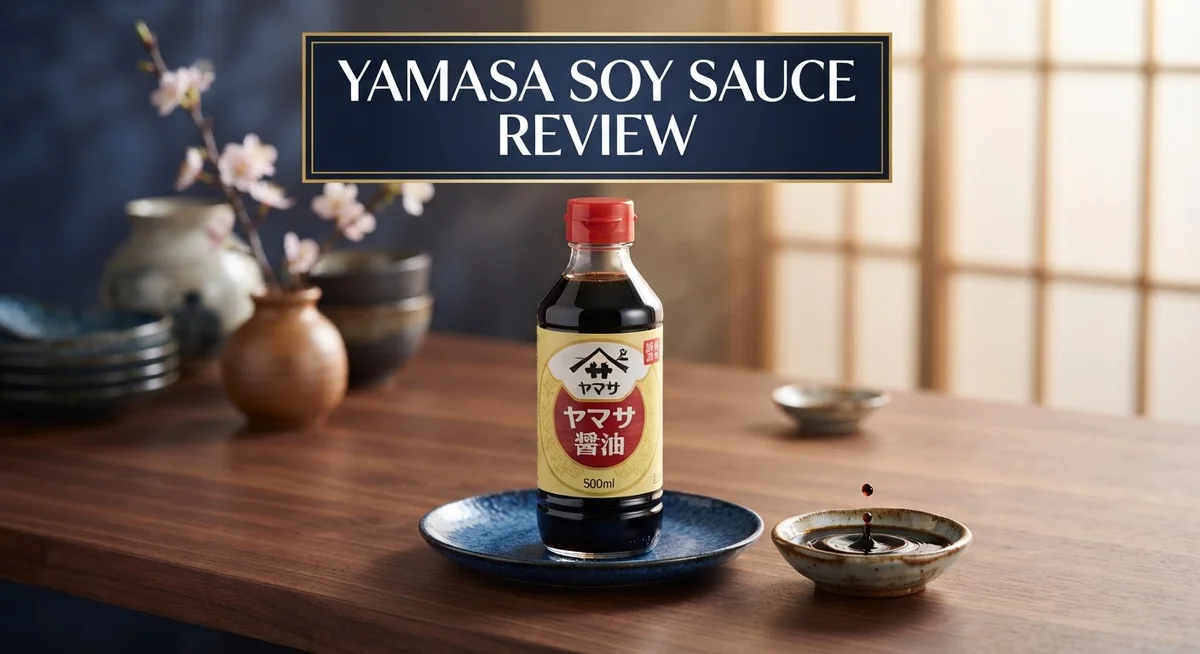
Yamasa Soy Sauce Review: Naturally Brewed Japanese Condiment
Yamasa Soy Sauce brings a taste of Japan straight to your kitchen. This brand stands out with its naturally brewed process. It skips artificial flavors and preservatives.
Many Japanese restaurants trust Yamasa for good reason. It has a rich and complex flavor. The brilliant red color and spicy aroma make it easy to spot.
You can use it on chicken, fish, or noodles. It even works well in vegetable dishes. This sauce adapts to many meals with ease.
Some fans compare it closely to Kikkoman. Others find it saltier than expected. But its versatility keeps it popular in kitchens everywhere.
Curious if this sauce fits your pantry? Let’s explore what makes Yamasa special. We will look at its taste, uses, and how it compares to other brands.
In a Nutshell
Here is the quick rundown on Yamasa Soy Sauce. This summary covers what you need to know before you decide.
-
Naturally brewed process: Yamasa skips artificial flavors and preservatives. This gives you a pure, traditional taste in every drop.
-
Bold aroma and color: Expect a crisp, spicy scent paired with a brilliant red hue. It looks and smells like authentic Japanese soy sauce.
-
Flavor complexity: The taste profile runs rich and layered. Some people love this depth, while others find it flat compared to rivals.
-
Sodium perception gap: Yamasa actually contains lower sodium than many competitors. Yet many tasters perceive it as saltier anyway.
-
Specialty options available: Try Nikiri for sushi finishing touches. Or use Zuke as a marinade for extra flavor punch.
-
Size flexibility: Grab the 34 fl oz bottle for home use. Restaurants and bulk cooks can opt for the 5-gallon pail instead.
This sauce offers versatility and tradition in one bottle. Your final choice depends on your personal taste preference.
Brewing Method and Ingredients
Yamasa soy sauce starts with a traditional brewing method that has earned trust across Japanese kitchens for generations. The sauce undergoes natural fermentation, which builds its signature depth without relying on artificial shortcuts.
The ingredient list keeps things simple and honest. Yamasa uses soybeans, wheat, salt, and koji culture as the foundation. This straightforward approach means you get authentic flavor without synthetic additives. No artificial flavorings or preservatives slip into the bottle.
The fermentation process is where the magic happens. Soybeans and wheat combine with koji mold, which breaks down proteins and creates umami compounds naturally. This slow transformation takes time, but it produces a sauce with real complexity. The result feels nothing like quick chemical versions you might find elsewhere.
What makes Yamasa stand out is the attention to aroma development during brewing. The fermentation creates that crisp, spicy scent you notice when you open the bottle. This aroma hints at the layered taste waiting inside. The brilliant red color develops naturally through this same process, not from added coloring agents.
The ingredient simplicity matters for cooking too. When you use Yamasa in marinades, dressings, or dipping bowls, you’re adding pure soy flavor. Nothing masks or competes with your other ingredients. This works especially well for poultry, fish, and vegetables where you want clean, forward flavors.
Yamasa also produces specialty variants using the same quality brewing foundation. The Nikiri version concentrates the sauce for sushi finishing work. The Zuke variant suits marinades and glazes. Each one maintains the core ingredient philosophy while adapting to specific cooking needs.
The 34 fl oz bottle size fits most home kitchens well. You get enough sauce to last through regular cooking without worrying about freshness. For commercial kitchens or high volume cooking, the 5 gallon pail option works better.
Understanding the brewing method and ingredients helps you see why Yamasa performs so well across different dishes. The natural fermentation and simple ingredient list create a sauce that enhances rather than overpowers your meals.

- Ancient Traditions, Extraordinary Flavors. At Yamasa, we have been brewing artisanal shoyu (Japanese soy sauce) for four...
- Beloved by Japan’s greatest chefs.
- Our tamari’s distinct color, aroma and umami enhance and bring balance to any meal.
Last update on 2026-09-09 / Affiliate links / Images from Amazon Product Advertising API
Flavor Profile and Aroma
When you open a bottle of Yamasa, the first thing that hits you is the crisp, spicy aroma. This scent tells you immediately that you’re working with a naturally brewed sauce. The fragrance comes from the fermentation process, not from added chemicals or shortcuts.
The taste itself carries depth and complexity. You’ll notice layers that unfold on your palate. The initial sweetness gives way to umami richness, followed by a subtle saltiness. This multi-layered experience is what draws many home cooks back to Yamasa again and again.
The color is another clue to quality. Yamasa displays a brilliant red hue that looks vibrant in the bottle and adds visual appeal to your dishes. This natural coloring comes straight from the brewing process, not from artificial dyes or additives.
One interesting point: many people describe Yamasa as salty, yet it actually contains lower sodium than several competing brands. This perception gap happens because the umami notes are so pronounced. Your taste buds register the savory intensity strongly, even though the sodium levels are moderate. The difference matters if you’re watching your salt intake.
The flavor profile does lean toward the bold side. If you prefer subtle, delicate soy sauces, Yamasa might feel intense at first. However, this boldness works beautifully when you’re seasoning poultry, grilling fish, or preparing hearty noodle dishes. The strong presence cuts through rich flavors without getting lost.
Specialty variants like Nikiri add another dimension. Nikiri is formulated specifically for finishing sushi and sashimi. It brings sweetness and a glossy finish that regular soy sauce cannot achieve. Zuke variants work as marinades, offering concentrated flavor for meats and fish.
The aroma and flavor combination makes Yamasa instantly recognizable. Japanese restaurants chose this sauce for reasons that go beyond tradition. The sensory experience it delivers shapes how your food tastes. When you pour it into a dish, you’re adding generations of brewing expertise to your meal.
Versatility and Culinary Applications
Yamasa soy sauce shines in the kitchen because it works across so many different dishes. You can use it for marinades, dipping sauces, stir fries, and finishing touches on soups. The rich, complex flavor adapts well whether you’re cooking poultry, meat, fish, grains, or vegetables.
The sauce performs especially well in Asian cuisine. Chefs reach for it when preparing noodle dishes because the depth of flavor doesn’t get lost in broths or heavy sauces. Home cooks find it equally useful for everyday cooking and special meals.
Specialty variants expand what you can do with Yamasa. The Nikiri version works as a sushi finishing sauce, adding brightness and polish to raw fish presentations. The Zuke variant functions as a marinade base, infusing proteins with umami before cooking.
Yamasa’s crisp, spicy aroma makes it recognizable in any dish. This characteristic scent carries through cooking, which means your food develops a distinctive Japanese profile. The brilliant red color also signals quality to anyone familiar with premium soy sauces.
The bold flavor profile means you can use less sauce and still achieve strong results. This matters when you’re watching sodium intake or want to avoid overpowering delicate ingredients. The complexity works in your favor because it adds depth without needing extra seasonings.
Many Japanese restaurants choose Yamasa for these same reasons. Professional kitchens need a sauce that performs reliably across their entire menu. When restaurants select a product consistently, it signals real-world versatility.
You’ll find Yamasa works in unexpected applications too. Try it in salad dressings, with roasted vegetables, or drizzled over rice bowls. Some cooks use it to add umami to soups and stews that need more body.
The naturally brewed foundation means you’re working with a clean ingredient. No artificial flavorings or preservatives alter how the sauce interacts with your other ingredients. This purity makes Yamasa a dependable choice whether you’re following a specific recipe or improvising based on what’s in your pantry.
Top 3 Alternatives
Kikkoman Soy Sauce

- INGREDIENTS: Kikkoman is a traditionally brewed Soy Sauce prepared from water, soybeans, wheat, and salt. Its complex flavor...
- VERSATILE: Adds depth and appetite appeal to all kinds of menu items-Asian cuisines like sashimi, tofu, sushi, and beyond...
- AUTHENTIC FLAVOR: Made in the U.S. to exacting quality standards using a centuries-old fermentation process. Kikkoman...
Last update on 2026-09-09 / Affiliate links / Images from Amazon Product Advertising API
Kikkoman stands as one of the most recognized soy sauce brands worldwide. This sauce offers a balanced flavor profile with a smooth, slightly sweet taste. The fermentation process uses wheat and soybeans, creating a versatile option for cooking, dipping, and marinades.
Many home cooks prefer Kikkoman for its consistency and availability. The sauce works well in stir-fries, soups, and Asian dishes. Its mild saltiness makes it approachable for those new to soy sauce.
San-J Tamari Sauce

- AN UMAMI-RICH TASTE: Made with 100% soy and no wheat, San-J Tamari Soy Sauce has a richer, bolder, more complex taste and...
- GLUTEN FREE: Our fermentation process gives San-J Gluten-Free Tamari Soy Sauce great flavor-enhancing properties and if you...
- GENERATIONAL COMMITMENT: San-J has brewed Tamari using the family methods passed down for eight generations, upholding a...
Last update on 2026-09-09 / Affiliate links / Images from Amazon Product Advertising API
San-J Tamari provides a wheat-free alternative for people with gluten sensitivities. This sauce delivers a deeper, richer flavor compared to traditional soy sauce. The brewing process focuses on soybeans without wheat, resulting in a thicker consistency.
Tamari works excellently in marinades and as a dipping sauce. The fuller umami taste appeals to those seeking more robust flavor. This option suits both traditional Asian cooking and modern fusion recipes.
Wan Ja Shan Soy Sauce

- Certified Organic Ingredients: Made from premium organic soybeans, this tamari soy sauce is a natural choice for adding...
- Naturally Gluten-Free: Specially brewed without wheat, making it a safe and delicious option for those with gluten...
- Slow Brewed for Perfection: Naturally brewed for up to one year, this tamari soy sauce develops a deep, complex flavor that...
Last update on 2026-09-18 / Affiliate links / Images from Amazon Product Advertising API
Wan Ja Shan combines traditional brewing methods with modern quality standards. This sauce features a complex flavor with notes of sweetness and depth. The brand emphasizes natural fermentation without artificial additives.
The sauce performs well in everyday cooking, from simple rice bowls to elaborate stir-fries. Its smooth finish makes it suitable for both cooking and table use. Wan Ja Shan appeals to cooks seeking authentic taste with reliable quality.
Each option brings distinct qualities to your kitchen. Your choice depends on flavor preference, dietary needs, and cooking style.
Sodium Content and Nutritional Considerations
Yamasa soy sauce contains approximately 920 mg of sodium per tablespoon. This amount matters if you monitor salt intake for health reasons. Understanding sodium levels helps you make informed cooking choices.
Many people perceive Yamasa as saltier than other brands. This perception is interesting because Yamasa actually contains lower sodium than several competitors. The bold, crisp flavor profile creates this salty impression on your palate. Your taste buds register the intensity of the flavor, not just the sodium content.
If you watch your sodium intake, you have options. Use Yamasa in smaller quantities since the flavor concentrates quickly. A little goes a long way with this sauce. You can also dilute it slightly with water or broth for certain dishes. This approach lets you enjoy the complex taste while reducing sodium per serving.
Nutritional considerations extend beyond sodium alone. Yamasa contains no artificial flavorings or preservatives. The natural fermentation process creates amino acids and beneficial compounds. You’re getting a genuinely brewed product, not a chemical approximation. This matters for your overall nutrition profile.
The ingredient list stays simple and honest. You’ll find soybeans, wheat, salt, and koji (the fermentation culture). That’s it. No additives or fillers hide in this bottle. Simple ingredients mean you know exactly what you’re consuming.
For people managing sodium intake, portion control becomes your best strategy. The concentrated flavor means you need less sauce to season your food properly. A tablespoon of Yamasa delivers more taste impact than the same amount of a lighter sauce. This efficiency actually works in your favor nutritionally.
Check the nutrition label on your specific bottle. Manufacturers sometimes adjust formulations slightly. The 34 fl oz bottle displays full nutritional information clearly. Reading this information takes just a moment and gives you precise sodium data.
Yamasa works well in low sodium cooking when you use it thoughtfully. The rich, complex flavor satisfies your palate with smaller amounts. Balance Yamasa with other ingredients, and you maintain both taste and nutritional awareness.
Available Sizes and Specialty Variants
Yamasa offers two main bottle sizes to fit different cooking needs. The 34 fl oz bottle works well for home cooks who use soy sauce regularly. The 5 gallon pail serves restaurants and commercial kitchens that go through large volumes.
Beyond standard soy sauce, Yamasa produces specialty variants that expand your cooking options. Nikiri sauce functions as a finishing sauce specifically for sushi and sashimi. This variant adds a polished look and refined taste to raw fish presentations. Zuke sauce works as a marinade base for proteins and vegetables. Both variants start with Yamasa’s naturally brewed foundation, so you get the same quality and complexity.
The specialty variants let you skip extra steps in the kitchen. Instead of mixing regular soy sauce with other ingredients, you grab the pre-formulated option. This saves time when you’re preparing multiple dishes. Home cooks appreciate having these ready-to-use solutions on hand.
Yamasa’s naturally brewed process means all variants contain no artificial flavorings or preservatives. You’re getting authentic ingredients whether you choose the standard sauce or a specialty version. The ingredient list remains straightforward across the entire product line.
The crisp, spicy aroma carries through to every variant. This distinctive character helps you identify Yamasa products instantly. Many people find this aroma appealing when opening a bottle.
Choosing between sizes depends on your household or business needs. Individual home cooks typically find the 34 fl oz bottle lasts several months. Families who cook Asian cuisine frequently might prefer buying larger quantities. Commercial kitchens obviously need the 5 gallon pail for consistent supply.
The availability of specialty variants means you can build a small Yamasa collection. Keep the standard sauce for everyday cooking and marinades. Stock Nikiri for sushi nights and special presentations. Add Zuke when you plan marinade based dishes. This approach gives you flexibility without cluttering your pantry with too many bottles.
Pros and Cons
Pros
- Rich, complex flavor profile that works across poultry, meat, fish, grains, vegetables, and noodles
- Naturally brewed with no artificial flavorings or preservatives, keeping your ingredient list clean
- Crisp, spicy aroma makes it recognizable and lets you use less sauce while achieving strong results
- Preferred by many Japanese restaurants for consistent quality
- Specialty variants like Nikiri and Zuke expand your cooking options without extra preparation steps
Cons
- Many users perceive it as saltier than competitors, even though sodium content is actually lower than some alternatives
- Some people report the flavor tastes flat or less complex compared to other brands
- Flavor profile is polarizing, meaning it works brilliantly for some cooks but not for others
Who Should Buy It
Yamasa Soy Sauce works best for home cooks who want authentic Japanese flavor without compromise. If you enjoy cooking with traditional ingredients, this sauce belongs in your kitchen.
Japanese restaurant chefs trust Yamasa for a reason. They rely on its consistent quality and rich taste across hundreds of dishes. Home cooks who want restaurant-level results find the same advantage.
You should buy Yamasa if you cook with poultry, meat, fish, or vegetables regularly. The sauce brings out natural flavors in these proteins without overpowering them. It also shines in grain bowls and noodle dishes.
Specialty cooks benefit from Yamasa’s variants. The Nikiri sauce finishes sushi beautifully without extra prep work. The Zuke marinade saves time when you need quick flavor infusion.
People who prefer naturally brewed products appreciate Yamasa’s honest ingredient list. No artificial flavorings or preservatives hide in the bottle. What you see is what you get.
Home cooks managing their salt intake should still consider Yamasa, but with awareness. You’ll want to use it thoughtfully and check your bottle’s nutrition label. Portion control becomes your strategy here.
Yamasa suits both small households and larger cooking operations. The 34 fl oz bottle fits typical home pantries well. If you cook frequently or run a small food business, the 5-gallon pail makes sense.
You might skip Yamasa if you prefer milder, less assertive soy sauces. Some people find its crisp, spicy character too bold for their taste. Others report it tastes less complex than alternatives.
Yamasa works for anyone building a versatile Asian cooking collection. The sauce handles everyday dishes and special recipes equally well. Whether you’re making a quick stir-fry or preparing an elaborate Japanese meal, this sauce adapts to your needs.
The bottom line: buy Yamasa if you value authenticity, simplicity, and consistent results. Japanese restaurants chose it for good reason. You’ll understand why once you start cooking with it.
Final Verdict
Yamasa Soy Sauce earns a strong place in any kitchen. It delivers real depth and a clean ingredient list you can trust.
This sauce fits many cooking styles. It works well for quick weekday meals and detailed weekend dishes alike.
The taste may surprise some first time users. Give your palate time to adjust before you judge the final result.
If you already love Japanese cooking, this sauce feels like a natural fit. It matches flavors you expect from trusted restaurants.
New cooks can also enjoy this sauce. It adds instant depth without complicated steps or extra prep.
Yamasa stands out because of its brewing method. This process creates a sauce that feels honest and pure.
Some shoppers want a milder taste. Yamasa might feel a little strong for that specific group.
Most cooks, though, will find this sauce reliable. It performs well across different recipes and cuisines around the globe.
This sauce rewards patience and experimentation. Try it in different dishes to see where it truly shines.
Compared with other big names on the shelf, Yamasa holds its own. It brings a distinct character that many chefs recognize instantly.
Overall, Yamasa proves itself as a smart pick for anyone who values quality ingredients. It brings real flavor without extra additives or shortcuts.
If you cook often, this sauce becomes a pantry staple quickly. You will likely reach for it again and again during meal prep.
Families who enjoy trying new recipes will appreciate its flexibility. It adapts to soups, marinades, and simple dipping sauces with ease.
Final thought: Yamasa Soy Sauce delivers on its promise of authentic taste. It supports many recipes and skill levels without fail.
Give it a try in your next meal. Your dishes will likely thank you for the switch.
This sauce earns its spot as a trustworthy kitchen companion. Simple, honest, and consistent, it checks the right boxes for everyday cooking.
Frequently Asked Questions
Does Yamasa Soy Sauce contain gluten or allergens?
Yamasa Soy Sauce is naturally brewed with no artificial flavorings or preservatives. However, traditional soy sauce contains soybeans and wheat, which means it is not gluten free. If you have a wheat allergy or celiac disease, check the label carefully before buying. Some specialty variants may differ, so always read the ingredient list on your specific bottle.
How does Yamasa compare to Kikkoman?
Both brands are naturally brewed and widely available. Yamasa has a crisp, spicy aroma and delivers a more assertive flavor profile. Kikkoman tends to feel milder and rounder to many users. Your choice depends on whether you want a bold, punchy sauce or something gentler. Try both if you’re unsure which fits your cooking style better.
Can I use Yamasa for cooking methods besides soy sauce drizzling?
Yes. Yamasa works well as a marinade, glaze, and finishing sauce. The specialty Nikiri variant works beautifully for sushi and raw fish dishes. Zuke functions as a ready made marinade for meat and poultry. You can also use regular Yamasa in soups, stir fries, grain bowls, and vegetable dishes. The crisp aroma means you need less sauce to achieve strong results.
What size bottles does Yamasa come in?
Yamasa Soy Sauce is available in a 34 fl oz bottle, which works well for home kitchens. A 5 gallon pail exists for restaurants and high volume cooking operations. Most home cooks find the standard 34 fl oz size lasts several months with regular use.
Why do some people say Yamasa tastes salty?
Many users perceive Yamasa as saltier than other brands, even though the sodium content is actually lower than some competitors. The bold, crisp flavor creates an impression of higher saltiness. Your taste buds adjust over time. If you’re sensitive to salt, start with smaller amounts and adjust to your preference.

I created Bloom Boost because I believe everyone deserves access to honest, comprehensive product information. Too often, we’re bombarded with marketing claims that don’t match reality. My goal is to cut through the noise and provide you with the real truth about products that promise to enhance your beauty and wellness journey.